
Tie Two Dream Threads Gently
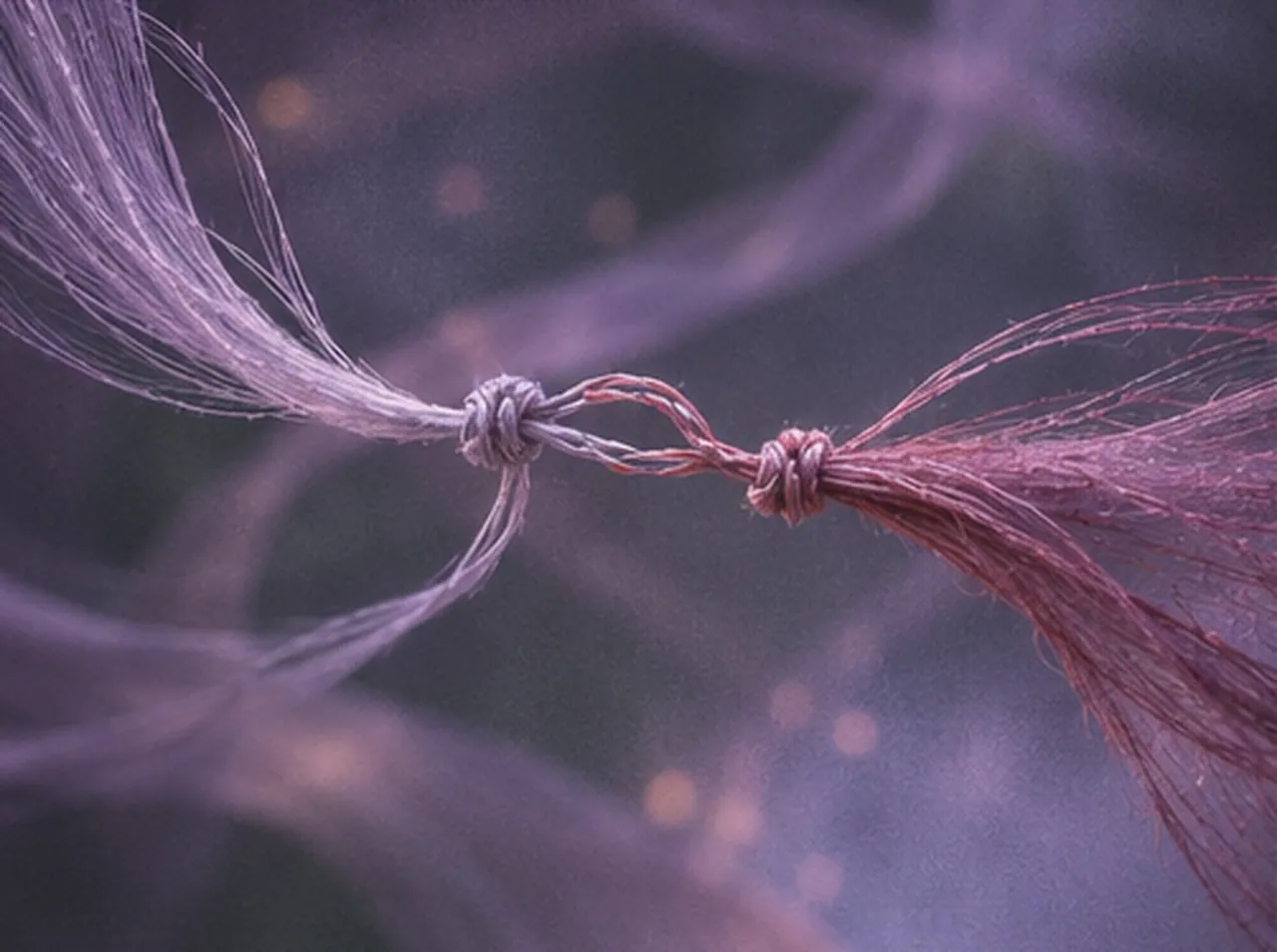
The first knot in this study connects two fabric pieces over a short gap. One fragment lies in a direction recognizable from a quiet curtain. Another points toward a lower place where the resting traveler could turn. Our earlier sample sharpened the tied spot until it took over the rest of the cloth. The routes seemed to join at one bright dot and become difficult to follow afterward. We gave both strands more space just beside the knot so the player can still think about their separate directions.
Watch where the first part of each strand begins
There is a bend in the paler fragment near the lower curtain. The darker piece starts behind a tall patch of quiet air. Put a little of both fragments in the same view before bringing them together. The left hand may be close to a part that belongs to an existing route. A small step can set the new join just past that part. The Passage Made of Borrowed Sleep uses a section like this to decide how far a short passage needs to reach. A knot can make a connection over a little distance without covering the reason a player chose each material.
Make a join that leaves an older path intact
Give the player room to bring one strand around a smaller part of the other. A broad twist pulls both directions into the new point. A smaller knot can let a little of each line remain visible before and after it. The maker can test which option leaves the traveller a clearer approach. The Edge Where Fear Changes Shape follows a repair at a narrow place with a similar constraint. The new material should support the part of the route being changed. Its brightness should not make the older direction hard to recover after the first moment of joining.
Put a separate reference on either side
At the edge of the darker material, a dull colored fiber follows a short curve before the knot begins. On the brighter side a remembered stripe bends around the old support. The two traces give the player a way to compare the movement through the center. A bright flash could briefly cover both, so make the join settle in a shape that still has room for each trace once the maker lifts their hand. A Color You Can Find Twice uses a recognizable bend for a different view after a shift in the light. That technique can still work even when half of the material belongs to a new crossing now.
Ask what would happen if they had to untie it later
There is a quiet point beyond the new turn where a person can wait after walking the passage. The maker can return to the first knot and compare the earlier direction before loosening either thread. Return a Borrowed Dream follows what can be taken away while another traveler might still need the path. The ability to recover an original strand gives the present join a reason to stay small. It can help keep a quiet choice open while the rest of the scene changes.
Make a second comparison that somebody else can repeat
Show the crossing without pointing at the knot and ask somebody which two routes gave it material. They can move close enough to the edges to identify the original directions after the join. If they only see one bright path, remove part of the stronger highlight and try the two views again. A strand can belong to a larger dream without stopping someone from taking an optional path beside it. The knot should feel like a distinct action that holds a relationship together, with a place to compare both sides when the dream or the borrowing changes again.